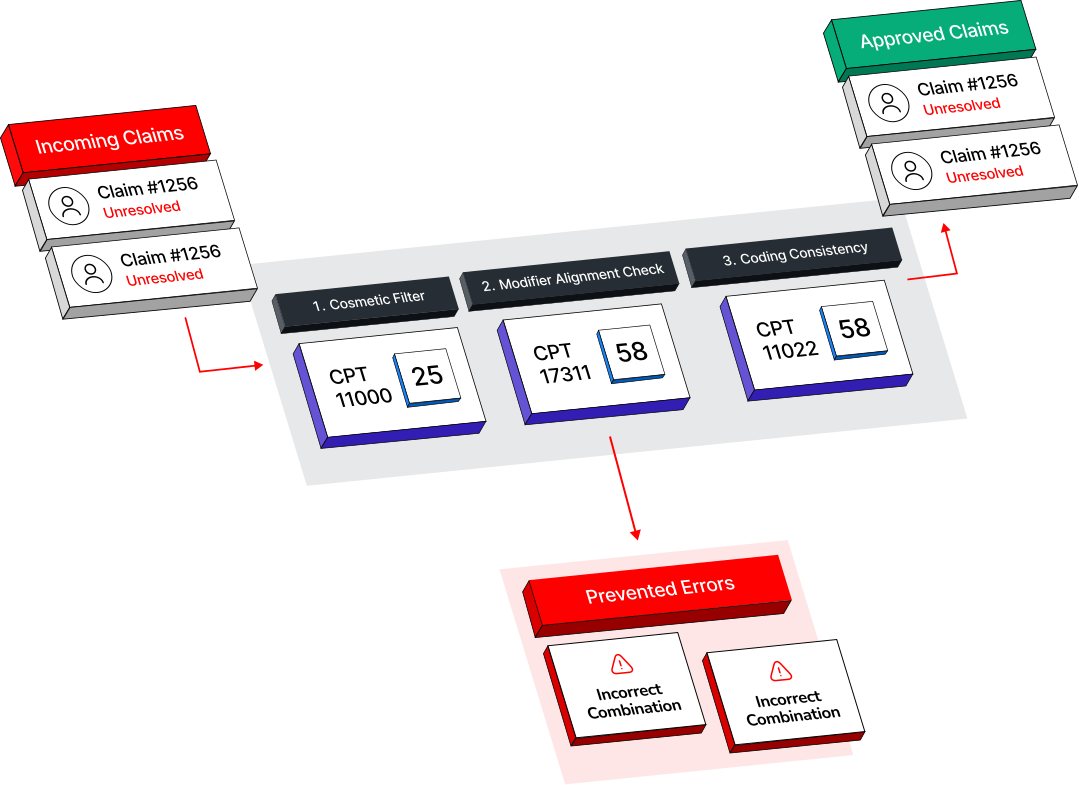
Texas dermatology billing varies market to market. A practice with offices in Houston, San Antonio, Dallas, Fort Worth, and Austin works through regional Blue plans, Medicare, Medicare Advantage, and Medicaid managed care, and each reads documentation differently. Add clinics reaching El Paso, Lubbock, Amarillo, Laredo, and the Rio Grande Valley, and the rules multiply again. Our scrub rules are tuned to that variation, so the same excision code gets billed correctly no matter which plan your patient carries.
Most Texas metro practices also run a cosmetic line alongside medical dermatology, and the two need to stay separate on the books. A patient books a cosmetic consult in San Antonio, mentions a changing lesion, and the note now has to support a distinct medical service without pulling the elective portion onto the claim. Our derm-only claims volume means we recognize that pattern early. We code to what the record supports, keep cash-pay revenue off the payer side, and report it separately so you can see which line carried the month.
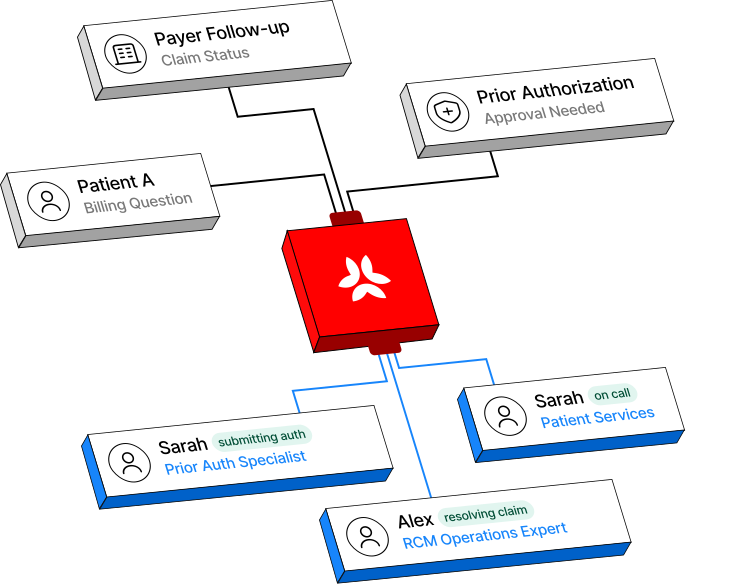
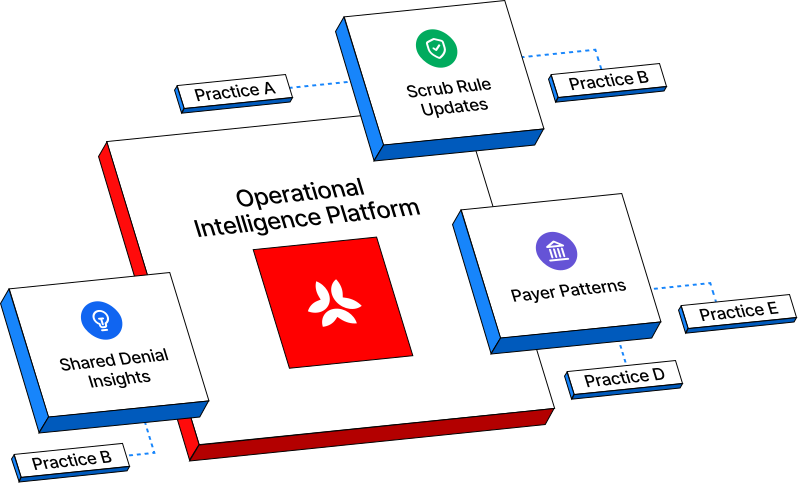
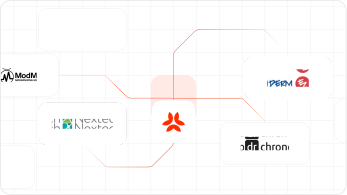
A dedicated account manager and support pod own your Texas practice's book, not a rotating cast of reps. Your existing A/R shifts to us on day one, proactive reports go out before you have to ask, and we bring benchmarks from other derm groups so you can see where your Texas practice stands. We work inside the EMR you already run, ModMed, eClinicalWorks, Nextech, DrChrono, or EZDERM, with SOC 2 Type II certification and HIPAA compliance built into every step.








 Love
Love