Outside Route 128, in Springfield, Fall River, or New Bedford, a dermatology practice often draws patients from a wide referral area on a schedule booked months in advance. Closer to Boston, Cambridge, Newton, and Somerville, patients have real choices nearby. Either way, you're running a business as much as a practice, and we build the back office to match that scale.
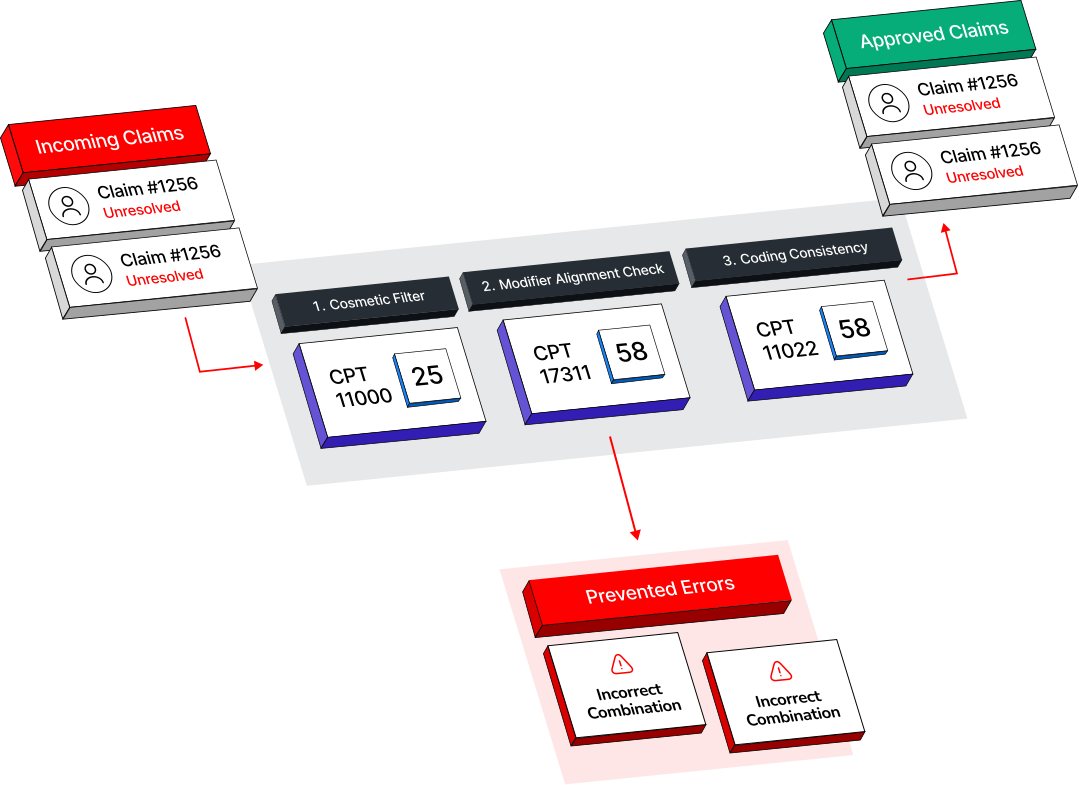
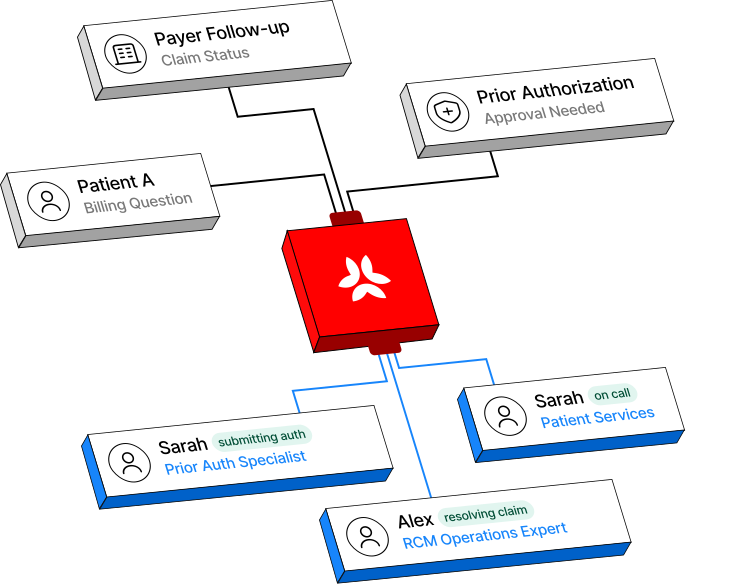
Groups courting owners in Worcester and Quincy promise the same thing: centralized coding, credentialing, and reporting that actually reconciles. We built that depth around your practice instead. A named account manager and pod work your account every day, not a portfolio split across dozens of clients. The moment you sign, your outstanding A/R moves under our management immediately, so nothing sits waiting on a transition to finish.
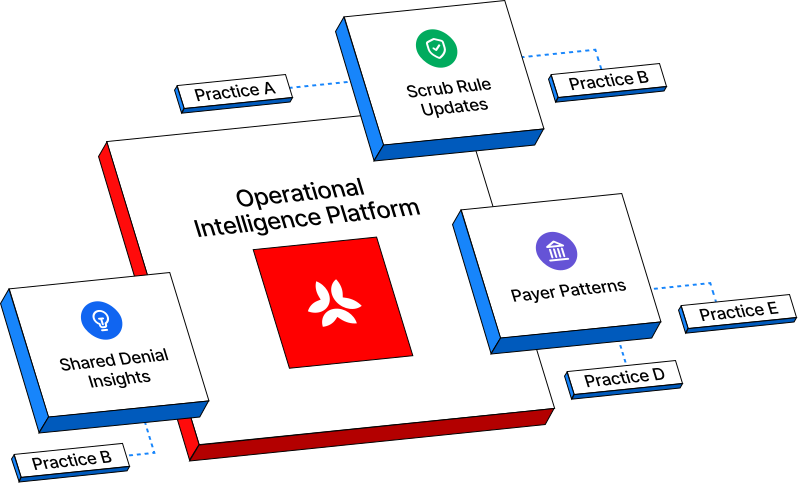
Dermatology is the only specialty we bill, and has been since 2017. That means the coding calls, denial patterns, and benchmarks from other top derm practices are already in place before a two-provider office in Lowell or Haverhill signs on. You get proactive monthly reporting built for a practice owner, reviewed with your account manager before issues become patterns. Across the 205 practices and 1,378+ providers we work with, net collections hold at 98% and average A/R runs 27 days.








 Love
Love